
Soft stick baits are one of the most handy soft plastic lures you can have for bass fishing. Compared with paddle-tail swimbaits, creature baits or curly-tail worms, they look pretty plain, but they catch fish for a reason: subtle, lifelike movement, a natural profile, and they work with tons of different rigs.
Whether you’re chasing largemouth bass around shallow cover, smallmouth hanging near rock piles, or pressured fish in clear water, a soft stick bait will often get the job done.
That said, not all stick baits perform the same. They differ in shape, plastic blend, salt content, buoyancy, sink rate, size and action. Knowing these differences helps you pick the right bait and rig for whatever the water throws at you.
This guide breaks down what soft stick baits are, how they swim and sink, the styles available, target species, rigging hacks, color picks, and on-the-water fishing advice for your next trip.
1. What Is a Soft Stick Bait?
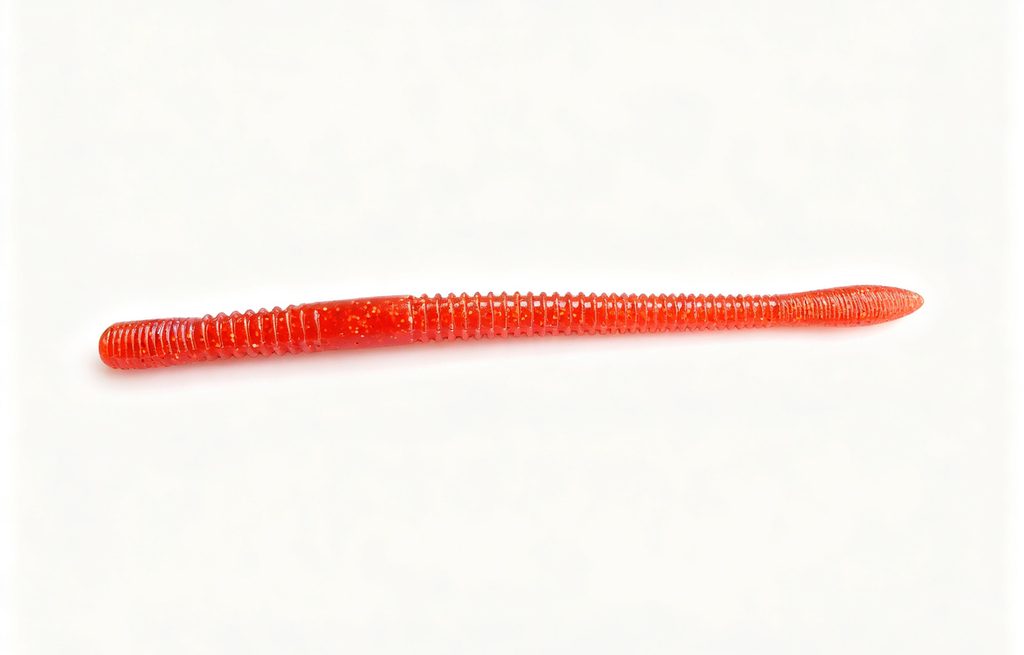
A soft stick bait is an elongated soft plastic lure with a simple body profile — usually straight, cylindrical, tapered, or slightly curved. Unlike many other soft plastics, it doesn’t come with big paddle tails, curly tails or bulky appendages.
Its magic lies in understated body wiggle, a natural sink, and tiny movements triggered by water flow and small rod twitches.
Bass anglers love these baits because they mimic all kinds of forage: small baitfish, worms, aquatic bugs and other soft prey items.
Most are molded from pliable soft plastic. Many brands mix salt or other additives into the plastic to adjust weight, texture, sink rate and the way it feels in a bass’s mouth.
Key Characteristics of Soft Stick Baits
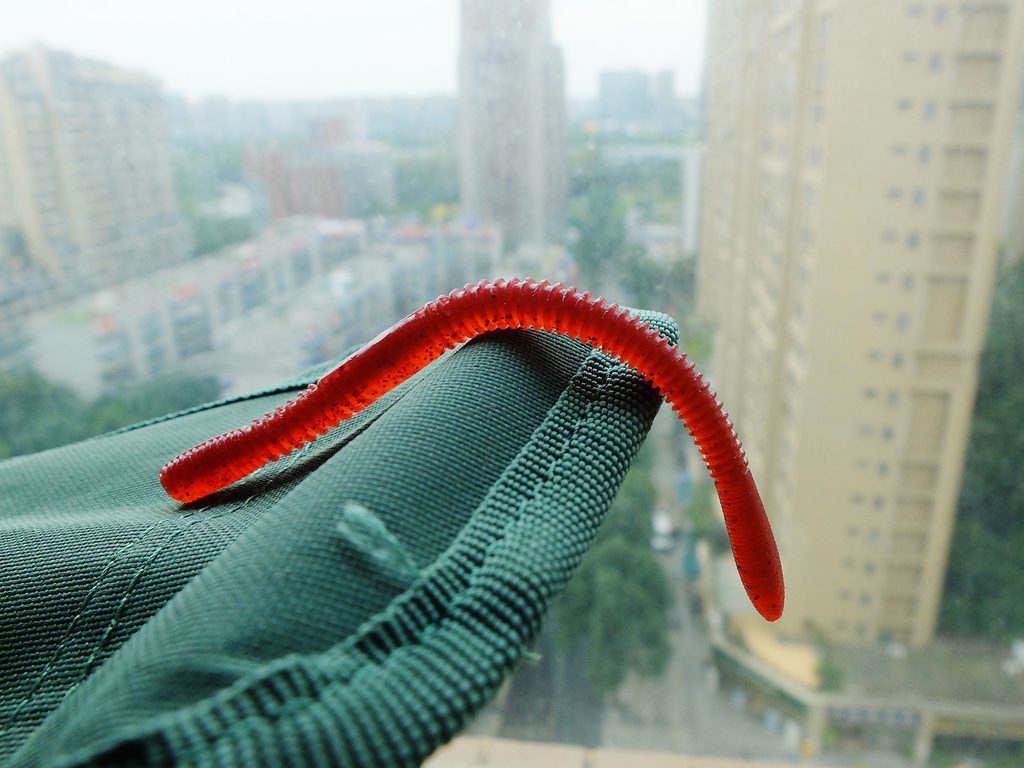
- Sleek, simple body Most stick baits are slim and long. This clean shape glides through water easily and plays well with nearly every popular rig.
- Flexible soft plastic The bendable body picks up even tiny rod taps and current. Softer baits will generate subtle motion even when you fish them gently.
- Natural sink action A lot of stick baits are designed to fall slowly, especially fished weightless. As it drifts down, the body wobbles and sways side to side.
- Huge rigging flexibility You can rig them Wacky, Neko, Texas, Carolina, or run them weightless. That versatility lets you fish shallow flats, deep ledges and thick cover alike.
- Wide range of sizes, colors and blends You’ll find them in different lengths, thicknesses, color patterns, salt loads and buoyancy levels, so you can tweak your setup to match changing fishing conditions.
2. What Fish Can You Catch With Soft Stick Baits?
Stick baits are bass staples first and foremost, but they aren’t limited to bass. Depending on size and presentation, they work across many freshwater and inshore scenarios.
Largemouth Bass They’re the primary target for most stick bait fans. These lures shine around: Weed lines and submerged grass Docks, pilings and boat structures Shallow flats and protected coves Rocky banks and sunken cover Points and drop-offs
A weightless stick bait drifts naturally in shallow water, while Texas or Neko rigs help you work cover or reach deeper zones.
Smallmouth Bass Smallmouth commonly hold around rocky banks, gravel bottoms, points and deeper structure. Stick baits are deadly here, especially on Neko or Wacky rigs. Go with slimmer profiles and natural colors when smallmouth are keyed in on minnows and tiny prey.
Spotted Bass Spotted bass also love rock structure, points and submerged cover. A compact stick bait on a Neko rig or light Texas rig works great when you’re targeting them in deeper, structure-heavy water.
Other species you might hook Match the bait size and follow local regulations, and you can also pick up rock bass, crappie, panfish, and even pike if you size up your lure and tackle. In some saltwater inshore spots, properly sized stick baits will draw strikes too.
Keep in mind: this isn’t a one-lure-fits-everything bait. Success hinges on matching bait size, presentation and location to what your target fish are feeding on.
3. Different Types of Soft Stick Baits
Stick baits are categorized in a few ways. Different designs deliver different action, and knowing the categories helps you choose smarter. Groupings are based on body shape, plastic/salt blend, buoyancy and special surface features.
3.1 Straight Stick Baits
Straight stick baits have a consistent long body, plain cylinder or light taper. This is the classic, most recognizable style.
- Pros: Clean streamlined shape, subtle fall action, compatible with nearly all rigs. Sold in many lengths, thicknesses and softness grades.
- Best use: General bass fishing around docks, weed edges, open water and shallow structure. Perfect when fish want a quiet presentation instead of flashy, active lures.
- Top rigs: Wacky, weightless Texas, Neko, standard Texas rig.
3.2 Tapered Stick Baits
Tapered stick baits narrow toward one end, giving them a different silhouette than uniform straight models. The shape and plastic distribution change how the lure falls and moves through the water.
- Pros: Unique profile, streamlined look, works with different hook placement and rig styles.
- Best use: Clear water, heavily pressured bass, or when fish are feeding on thin, slender baitfish.
3.3 Salt-Impregnated Soft Stick Baits
Salt is mixed all through the plastic. Salt adds density, altering sink speed and weight. The amount of salt also changes texture and how it handles in your hand.
- Pros: Denser plastic, more natural sink without extra weights; salt adds flavor that makes bass hold onto the bait longer.
- Best use: Weightless fishing, Wacky rigs, shallow cover, docks and open-water structure.
- Note: More salt doesn’t automatically mean better. Too much salt can make the plastic stiff and brittle. Good formulations balance softness, durability, weight and sink rate.
3.4 Unsalted Soft Stick Baits
These have little to no salt mixed in. Compared to high-salt versions, they’re lighter and sink slower.
- Pros: Usually softer and more pliable; slower fall. Easy to fine-tune by adding your own hooks or sinkers.
- Best use: Super shallow water, spooky fish, or whenever you want a drawn-out fall.
- Note: Unsalted does not equal floating. Final buoyancy depends on the plastic recipe, hook and any weights you add.
3.5 Sinking Soft Stick Baits
Sinking stick baits drop through the water column under their own weight or with added rig hardware. Sink speed depends on plastic density, salt content, dimensions, hook weight and line drag.
- Pros: Moves naturally toward the bottom; can be fished without extra sinkers; works for vertical and horizontal presentations, with a wide range of sink speeds.
- Best use: Bass feeding below the surface, around submerged grass, docks and underwater structure. Wacky and weightless setups shine here.
3.6 Floating Soft Stick Baits
Floating stick baits stay near the surface or slowly rise if their buoyancy beats the weight of your rig. They’re far less common than sinking models.
- Pros: Positive or near-neutral buoyancy, stays higher in the water column for specialized finesse tactics.
- Best use: Fishing over submerged grass and shallow cover where you need to keep the bait off the bottom.
- Note: Always test buoyancy before you fish. Once you add a hook or weight, a floater can quickly turn into a sinker.
3.7 Ribbed or Textured Stick Baits
Some stick baits come molded with ribs, grooves or segmented texture across the body. These surface details change water resistance and flexibility.
- Pros: Extra texture creates tiny extra movement on light rod shakes, different silhouette than smooth baits.
- Best use: Experimenting in pressured fisheries, when small visual or action changes trigger bites.
A single stick bait can fall into multiple categories at once. For example, you can have a straight, salted, sinking stick bait with ribbed sides. Don’t lock yourself into one label — judge a bait by its shape, plastic blend, buoyancy and how you plan to fish it.
4. How to Choose the Right Soft Stick Bait Size
Bait size changes its profile, sink behavior, casting distance and fit for different conditions. Manufacturers offer a range of standard lengths.
Small stick baits Grab small stick baits when: Bass are feeding on tiny prey Fish are spooky or heavily pressured You’re fishing clear, shallow water You need a finesse approach You’re targeting smaller bass or mixed freshwater species
Medium stick baits Medium sizes are the all-around workhorse for general bass fishing. They strike a nice balance of profile, castability and rigging versatility, and they work great on Wacky, Neko and weightless Texas rigs.
Large stick baits Bigger baits create a larger silhouette in the water. Use them when: You’re targeting trophy-sized bass You’re fishing deeper open water Local forage runs large You’re working structure where a bigger presentation makes sense
Size selection tip: Don’t just match the bait to the bass you hope to catch. Factor in available forage, water clarity, depth and how active the fish are. If bass are chasing shad, downsize. If they’re feeding on bigger prey, go larger.
5. Best Soft Stick Bait Colors for Bass Fishing
Color choice comes down to water clarity, light, local forage and the underwater environment. Here are the go-to staples:
Green Pumpkin The most versatile bass color out there. It looks natural and works reliably in clear and slightly stained water. Best for: Clear water, lightly stained water, matching natural prey, general bass fishing.
Watermelon Watermelon shades have a muted green tone that blends into clear water. Many versions add black, red or glitter flakes for subtle flash. Best for: Clear water, natural presentations, shallow bass.
Black and Blue High contrast, it stands out when visibility drops. Best for: Stained or muddy water, overcast days, heavy cover.
Junebug Usually a deep purple or blue base with reflective flakes. It’s a darker option with extra contrast. Best for: Stained water, low-light conditions.
Natural Shad Shad patterns mimic small baitfish. Best for: Clear water, open water, areas with lots of shad.
Quick reference for color picks:
| Condition | Go-to Colors |
|---|---|
| Clear water | Green Pumpkin, Watermelon, Natural Shad |
| Lightly stained | Green Pumpkin, Watermelon Red |
| Stained | Junebug, Black and Blue |
| Muddy | Black and Blue, dark high-contrast hues |
| Bright sun | Natural, translucent colors |
| Low light | Dark, high-contrast colors |
This is just a starting point. Local forage and fishing pressure often matter more than a rigid color rule.
6. The Best Ways to Rig a Soft Stick Bait
The biggest win with stick baits is how many ways you can rig them. Switch rigs, and you completely change how the bait falls, moves and navigates cover.
6.1 Wacky Rig
The most popular stick bait setup. Hook goes through the middle of the bait, so both ends swing freely. How to rig: Grab a dedicated Wacky hook. Push the hook point through the center of the bait body. Cast to your target, let the bait sink naturally, and keep light tension on your line. Pros: Unbeatable natural fall; both ends wiggle independently; simple to tie and rig. Best for: Shallow bass around docks, weed edges and shallow structure. Use this when fish want a slow, laid-back presentation.
6.2 Neko Rig
Neko rigs use a hook through the body plus a small nail weight stuck into one end. This makes the weighted end drop first, head down. How to rig: Push a nail weight into one end of the stick bait. Run your hook through the body, usually closer to the weighted side. Cast to structure, let the weighted end sink, and shake or lift your rod tip gently. Pros: Controlled head-down fall; gets you deeper; creates subtle bottom action. Best for: Bass holding tight to the bottom, deeper rock structure, vertical presentations.
6.3 Texas Rig
Texas rigs are the standard for fishing soft plastics around grass, wood and rock. You bury the hook point against the bait to avoid snags. How to rig: Slide a bullet sinker onto your line if you want weight. Tie on an offset worm hook. Thread the hook into the nose of the bait, push it out the side, rotate and seat the hook point tucked against the bait for a weedless setup. Pros: Weedless design cuts down snags; works with different sinker weights; keeps bait near the bottom. Best for: Grass, submerged branches, brush piles and other snaggy cover.
6.4 Weightless Rig
No extra sinker at all. The bait sinks only from its own weight. How to rig: Pick a hook, rig weedless or leave the point exposed based on cover. Cast to shallow structure or open water, let it sink naturally, add tiny rod taps as needed. Pros: Super slow, organic fall; no extra hardware messing up the bait’s action. Best for: Shallow water, spooky, pressured bass feeding near the surface.
6.5 Carolina Rig
Carolina rigs separate the sinker from the bait with a leader, so the lure can drift freely behind the weight. Pros: Great for covering deeper ground; keeps the bait near bottom with a natural trailing action. Best for: Deep flats, points and offshore structure where bass hang off the bank.
Quick rig comparison
| Rig | Core Action | Best Spot |
|---|---|---|
| Wacky Rig | Natural wobbling fall | Shallow water, docks |
| Neko Rig | Weighted-end head-down fall | Deep structure, bottom fishing |
| Texas Rig | Controlled, weedless crawl | Grass, heavy cover |
| Weightless Rig | Slow natural sink | Shallow flats, pressured bass |
| Carolina Rig | Free-swinging bait behind weight | Deep flats, offshore points |
7. When and Where Should You Use Soft Stick Baits?
Stick baits are flexible, but you still need to match them to the spot and presentation.
Docks and piers Docks create shade and structure, classic bass hideouts. Throw weightless or Wacky rigged stick baits, skip them under dock edges, and let them sink slowly. Pay extra attention to shaded pockets and submerged support posts.
Grass and vegetation Submerged grass and weed lines hold tons of bass. Texas rig is your go-to for pushing through thick grass thanks to the weedless setup. Weightless works great along the outer weed edges.
Rock structure Rocky banks, gravel points and sunken rock piles are prime smallmouth and largemouth territory. Neko or Texas rigs keep your stick bait down near the rocks where bass sit.
Shallow water Shallow flats, protected coves and shoreline cover are perfect for weightless stick baits. A long slow fall often triggers bites when bass are active in shallow water.
Deeper water When bass pull off into deeper zones, add a nail weight or switch to Carolina rig to get your bait into the strike zone. Stay in touch with your line and watch for subtle bites as the bait contacts bottom.
8. Seasonal Bass Fishing Tips With Soft Stick Baits
Bass shift habits through the year, and adjusting your presentation will get you more bites.
Spring As water warms up, bass move shallow to spawn and feed. Go-to setups: Weightless stick bait, Wacky rig. Colors: Green Pumpkin, Watermelon. Tactic: Fish slow around shallow cover.
Summer In hot weather, bass move to deeper structure or hang in shaded spots to escape bright sun. Go-to setups: Neko rig for deep structure, Texas rig in grass, weightless around dock shade. Tactic: Match bait size and color to whatever forage is active locally.
Fall Bass feed heavily in fall, chasing migrating baitfish. Go-to colors: Natural Shad, Green Pumpkin. Setups: Weightless or lightly weighted rigs. Tactic: Target points, baitfish balls and transition zones.
Winter Cold water slows bass metabolism way down. They won’t chase fast lures. Go-to: Smaller compact stick baits, super slow presentation. Setups: Neko rig or light Texas rig. Tactic: Give the bait plenty of time to sink to the depth bass are holding.
Seasonal patterns change with location, water temperature and weather — don’t treat these as hard rules.
9. How to Fish a Soft Stick Bait Effectively
Picking the right bait and rig is only half the battle. How you work it makes all the difference.
Let it fall This is the #1 rule. Most stick bait bites happen on the drop. Resist the urge to work it hard the second it hits the water. Let it sink naturally.
Use tiny rod movements Stick baits don’t need big, violent pops. Light twitches, soft shakes and slow lifts create all the movement you need.
Watch your line closely Bass often inhale the bait while it’s sinking, and the bite can be incredibly subtle. Keep an eye out for: Line jumping unexpectedly The bait stops sinking before it should Unplanned slack line Light taps or odd resistance
Staying connected to your line helps you pick up bites you’d otherwise miss.
Tweak one thing at a time If you’re not getting bites, don’t overhaul everything at once. Try changing sink speed, hook placement, color, bait size, slow your retrieve, or move to a different depth. Small adjustments are usually what unlock the bite.
10. What Makes a Good Soft Stick Bait?
Not all stick baits perform equally. Quality boils down to these points:
- Soft, stretchy plastic: Too stiff, and it won’t produce subtle action. Too flimsy, and it tears apart after a few casts or hook sets.
- Even salt distribution (salted models): Uneven salt leads to inconsistent weight, texture and sink rate from bait to bait. Good blends stay flexible while adding weight.
- Consistent sink action: It should fall and wiggle the way the manufacturer intended, every cast.
- Tough construction: They take repeated hook punctures, bites and scrapes against rocks and wood. Durability saves you money and time re-rigging.
- Consistent molding: Uniform shape means predictable action, so you know exactly how it will behave on every cast.
11. Soft Stick Bait vs. Other Soft Plastic Baits
Stick baits are just one family of soft plastics. Here’s how they stack up:
| Lure Type | Core Traits | Typical Use |
|---|---|---|
| Soft Stick Bait | Plain long body, subtle fall action | Finesse bass fishing, natural sinking presentations |
| Curly Tail Worm | Curled tail kicks on retrieve | Bottom fishing, more active presentations |
| Paddle Tail Swimbait | Paddle tail creates strong swimming action | Imitate baitfish, cover water quickly |
| Craw Bait | Claw-style appendages | Bottom fishing, mimic crawfish |
| Creature Bait | Multiple limbs, bulky irregular shape | Heavy cover, structure fishing |
| Finesse Worm | Slim worm profile, subtle movement | Pressured fish, ultra-finesse fishing |
The stick bait’s superpower is its subtlety. Paddle tails and creature baits put off lots of movement and vibration, but stick baits shine when bass are wary and want something quiet and natural falling through the water.
12. Common Soft Stick Bait Fishing Mistakes
Even seasoned anglers mess these up.
- Too much weight: Heavy sinkers make it plummet too fast and kill the natural fall. Go light or weightless when a slow drop is what you need.
- Overworking the bait: Big, jerky rod moves ruin the subtle presentation. Start slow and let the fall do the work.
- Wrong hook size: Oversized hooks kill action; undersized hooks lead to missed hookups. Match hook size to the bait’s thickness and length.
- Ignoring water clarity: A color that kills in clear water can disappear in muddy water, and vice versa. Adjust accordingly.
- Skipping bait checks after bites: Bites stretch and tear plastic. Check your bait often to make sure it’s still rigged correctly and swimming right.
13. How to Choose the Right Soft Stick Bait
Run through these five checks before you buy or tie on:
- Target fish: For largemouth and smallmouth, pick a silhouette that matches what the bass in your water eat.
- Bait size: Small baits for finesse, large baits to match bigger prey and target trophy fish.
- Plastic & salt: Decide if you want the extra weight and faster sink of salted baits, or a lighter, slower-sinking unsalted option.
- Buoyancy and sink speed: Pick sinking, floating or neutral buoyancy based on the depth and action you’re chasing.
- Fishing style: Confirm the bait works with your go-to rig — Wacky, Neko, Texas, weightless or Carolina.
The best stick bait isn’t always the priciest one. It’s the one that hits the right mix of size, action, softness and sink rate for your conditions.
14. Frequently Asked Questions About Soft Stick Baits
Are Soft Stick Baits Good for Bass Fishing?
Absolutely. They’re a staple for largemouth, smallmouth and spotted bass. The simple profile, subtle fall and wide rigging options make them effective in tons of scenarios.
What Is the Best Rig for a Soft Stick Bait?
There’s no single “best” rig. Wacky rig gives that famous natural fall for shallow fish. Neko rig excels around deeper bottom structure. Texas rig is your heavy-cover, snag-resistant option.
Do Soft Stick Baits Need Weights?
Nope. Most can be fished weightless, relying on their own density to sink. That said, nail weights or bullet sinkers let you control sink speed and reach deeper water when needed.
What Is the Best Color for Soft Stick Baits?
Green Pumpkin is the safest all-around pick. Watermelon and Natural Shad shine in clear water; Black and Blue and Junebug are your go-tos for stained or low-light water.
Are Salted Stick Baits Better Than Unsalted Stick Baits?
Not universally. Salted baits are denser and usually sink faster. Unsalted ones are lighter, often softer, and fall slower. Your presentation goal decides which is better.
Can You Use Soft Stick Baits in Deep Water?
Yes. Neko rig, Carolina rig or weighted Texas rig get them down deep. Just match your sinker weight to depth and current.
How Do You Fish a Soft Stick Bait Without a Weight?
Tie on the right hook, rig it weedless or exposed, cast to your target, and let the bait sink under its own weight. Watch your line closely on the drop, and use tiny rod shakes for extra movement.
How Long Should You Let a Stick Bait Sink?
There’s no set timer. It depends on bait weight, size, salt content, water depth and line drag. Let it sink down to where you think bass are holding, and watch the line for bite signs the whole way down.
Conclusion
Soft stick baits are incredibly versatile soft plastics, and they deserve a spot in every bass angler’s tackle tray. Their understated look and wide rigging options make them useful everywhere — from weightless Wacky rigs skipped under dock roofs to weighted Neko rigs probing deep structure.
Take the time to learn the differences between straight, tapered, salted, unsalted, sinking, floating and textured stick baits. Match size, color and sink rate to your water, then test different rigs until you figure out what the fish want that day.
Check out Godbait’s lineup of soft plastic lures and grab your next soft stick bait for your bass trip.